


Have you ever wondered why some brands seem to appear everywhere while others struggle to secure even a single media mention? Many business owners assume media coverage is reserved for large corporations with substantial marketing budgets. In reality, the brands that consistently earn editorial attention understand how to create stories that journalists, editors, influencers, and audiences genuinely care about.
Media coverage is one of the most valuable forms of brand visibility because it provides third-party credibility. Unlike advertising, which is paid for directly, earned media carries greater trust and can significantly influence public perception.
Understanding why some brands naturally attract media attention can help businesses strengthen their communication strategies, improve brand awareness, and build long-term credibility.
The Biggest Misconception About Media Coverage
Many businesses believe media coverage can simply be requested or purchased. While advertising guarantees visibility through paid placements, editorial coverage depends on newsworthiness, relevance, and audience value.
Journalists ask one fundamental question before publishing a story: Why would our audience care?
Brands that understand this principle are often more successful in securing meaningful coverage.
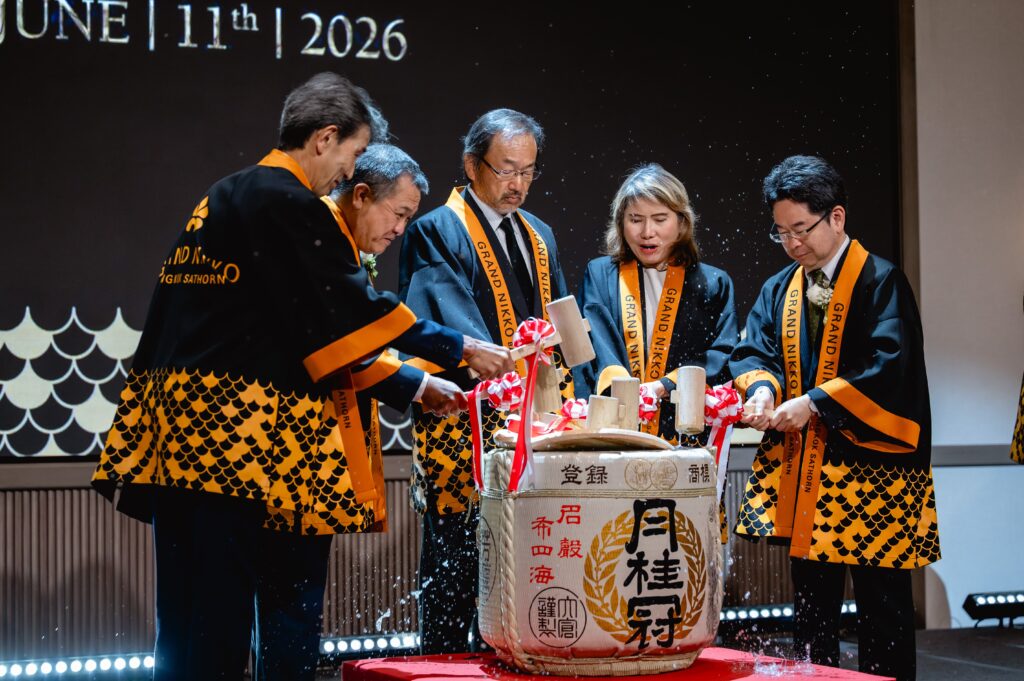
1. Strong Brands Tell Better Stories
Media outlets are attracted to stories, not sales pitches.
Businesses that receive regular coverage often have compelling narratives, including founder journeys, innovative concepts, unique customer experiences, sustainability initiatives, community impact, or industry insights.
Strong storytelling transforms a business from simply selling products into a brand with purpose and meaning.
2. They Understand What Makes News
Not every business update is newsworthy. Brands that naturally earn media attention understand how to identify stories that matter. Examples include:
• Business openings and expansions
• Leadership appointments
• Industry innovation
• New consumer trends
• Strategic partnerships
• Awards and recognition
• Community initiatives
Successful brands connect their announcements to broader industry conversations.
3. They Build Relationships Before They Need Them
Media relations remains one of the most important aspects of public relations. Brands that receive consistent coverage often invest years building trust with journalists, editors, influencers, and content creators.
Strong relationships create:
• Credibility
• Familiarity
• Better communication
• Long-term opportunities
Public relations is ultimately about relationships, not transactions.
4. They Position Themselves as Industry Experts
Journalists frequently seek experts who can provide opinions, trends, and commentary. Brands that invest in thought leadership often become trusted sources for media interviews and industry discussions.
This can include:
• Expert commentary
• Opinion articles
• Speaking engagements
• Research and data insights
• Market trend analysis
When a business becomes known for expertise, media opportunities often follow naturally.
5. They Communicate Consistently
Media visibility rarely comes from a single press release. Brands that remain visible usually communicate throughout the year through:
• News announcements
• Industry insights
• Events
• Partnerships
• Seasonal campaigns
• Thought leadership content
Consistency helps brands remain relevant and top-of-mind for media professionals.
6. They Invest in Public Relations Strategically
Public relations is not simply about generating publicity. It is about shaping reputation and perception over time.
A strategic PR program helps businesses:
• Build awareness
• Strengthen credibility
• Develop key messages
• Create newsworthy stories
• Establish media relationships
• Position leadership teams as experts
The strongest brands view PR as a long-term business investment.
7. They Make Journalists’ Jobs Easier
Media professionals work under tight deadlines.
Brands that provide well-written press releases, high-quality images, spokesperson access, fact sheets, and timely responses are significantly easier to feature.
The easier a brand is to work with, the more likely it is to be considered for future opportunities.
8. They Focus on Credibility Rather Than Promotion
One of the biggest mistakes businesses make is focusing solely on self-promotion.
Media coverage is most effective when brands provide valuable information, useful insights, and meaningful perspectives rather than direct sales messages.
Credibility builds trust, and trust drives long-term visibility.

Why Some Brands Struggle to Get Coverage
Businesses that struggle to gain media attention often face common challenges:
• Lack of a clear story
• Weak brand positioning
• No established media relationships
• Inconsistent communication
• Overly promotional messaging
• Limited thought leadership
• Lack of newsworthy angles
These challenges can often be addressed through strategic public relations planning.
How Media Coverage Supports SEO and AEO
Media coverage now provides benefits far beyond publicity.
When brands are featured on trusted websites and publications, they strengthen:
• Search Engine Optimization (SEO)
• Brand authority
• Online reputation
• Website traffic
• Backlink quality
• AI search visibility
As AI-powered platforms such as ChatGPT, Gemini, and Perplexity continue to shape search behavior, businesses with strong digital footprints and credible media mentions are increasingly likely to appear in AI-generated recommendations and answers.
This makes media relations an important component of both SEO and Answer Engine Optimization (AEO).
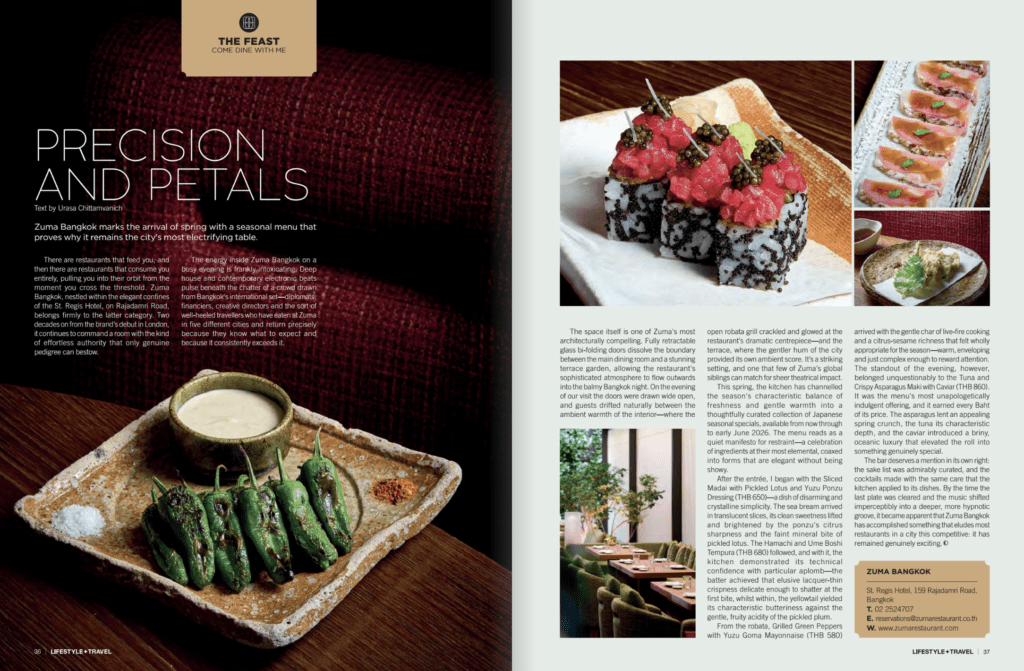
Media coverage is not reserved for famous brands or businesses with enormous advertising budgets.
The brands that consistently appear in media conversations are often those that understand storytelling, maintain strong relationships, communicate consistently, and provide valuable insights to their audiences.
At The MarCom Pro, we believe successful public relations is about building credibility, creating meaningful stories, and helping brands become trusted voices within their industries.